Ellicott City, Howard County, MD
Fences for Ellicott City Yards, Suburban Lots and Historic Streets
Most fence work in Ellicott City is on suburban lots from the 1970s through the 1990s, where the original pressure-treated stockade has leaned past saving or a new owner wants a yard the dog cannot leave. Roso installs six-foot wood privacy, vinyl privacy and picket, and black aluminum fencing in Valley Mede, Centennial, Turf Valley, and the neighborhoods between them, with posts set in concrete below frost depth on the clay soils that dominate this part of Howard County.
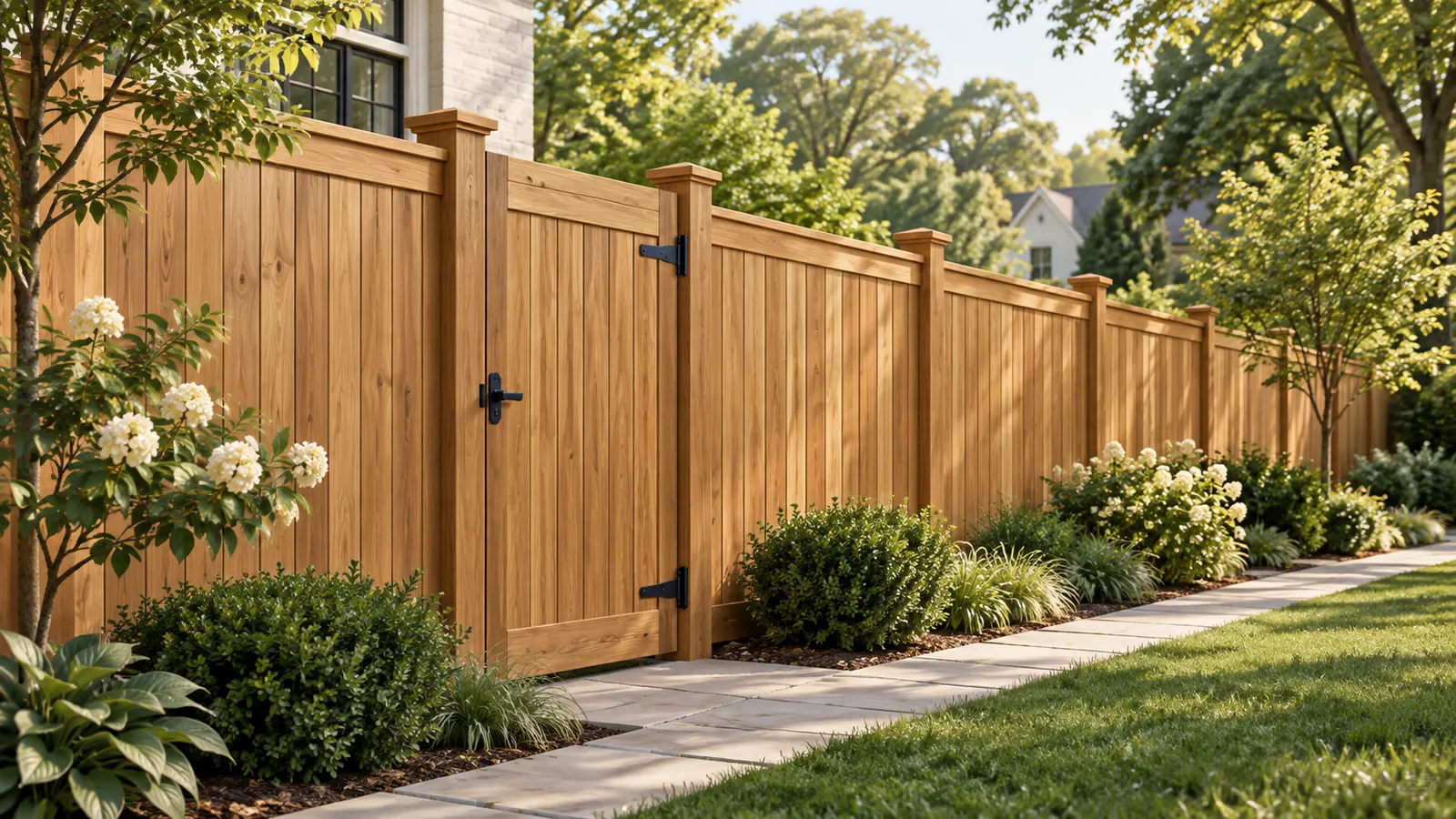
Howard County, not a town, sets the rules. County zoning separates open fences, more than half visibly open, from closed fences, and applies setback rules to closed fences taller than 3 feet, which matters most on corner lots and along the street. Building permits apply only to taller fences. In the Ellicott City Historic District, any fence or wall also needs a Certificate of Approval from the Historic Preservation Commission, and on those small, steep Main Street-area lots the style and height a homeowner wants often has to be negotiated with what the commission will approve.
Planning locally
What to know before building a fence in Ellicott City
- County fence permits apply to taller fences
- Howard County's permit FAQ says a building permit is required for fences taller than 6 feet, while a county fee schedule refers to fences over 7 feet. Either way, a standard 6-foot privacy fence in most cases does not need a building permit, and taller fences do. We confirm the current threshold for your property before quoting anything above 6 feet. Source: Howard County Department of Inspections, Licenses and Permits
- Open versus closed fences under county zoning
- Howard County zoning treats a fence that is more than 50 percent visibly open, such as aluminum or spaced picket, differently from a closed fence like solid board or vinyl privacy. Closed fences over 3 feet are subject to setback rules, which affect front yards and corner lots in particular. This is a county rule, not an Ellicott City rule, and we apply it to your plat during the site visit. Source: Howard County, fence zoning regulations (Section 128.0.A.9)
- Historic Preservation Commission review on Main Street-area lots
- Within the Ellicott City Historic District, fences and walls are exterior changes that need a Certificate of Approval from the Howard County Historic Preservation Commission before installation. Expect questions about height, material, and visibility from the street. We prepare a drawing and material description for the application. Source: Howard County Historic Preservation Commission
Requirements vary by property and change over time. We confirm the current rules for your address as part of every estimate rather than assuming.
Design and materials
Fences that suit Ellicott City homes
What Roso builds
- Wood privacy fence
- Picket and decorative wood
- Vinyl privacy and picket
- Aluminum ornamental
- Gates and hardware
- Fence removal and replacement
- Board-on-board for rear yards in the 1980s and 1990s subdivisions
- Rear yards in Centennial and Valley Mede typically meet other rear yards, and a six-foot board-on-board fence in pressure-treated pine or a vinyl privacy panel is the standard answer. Board-on-board hides the shrinkage gaps that open in a single-layer fence after a couple of summers, and it looks the same from both sides, which neighbors appreciate.
- Open styles where county setbacks bite
- Because Howard County applies setback rules to closed fences over 3 feet, a homeowner who wants fencing near the street or on a corner is usually better served by an open style: a 4-foot aluminum or spaced picket run counts as open and avoids the closed-fence setback. Save the solid panels for the rear and side yards where privacy matters.
- Short runs, wood, and step-downs on historic lots
- Lots near Main Street are narrow and often drop several feet from front to back. A painted or stained wood picket in front, stepping to a taller board fence only behind the house, matches what the Historic Preservation Commission generally approves and follows the grade without an awkward sloped top rail.
Scope and estimate
What shapes a fence estimate
We price after a site visit, not from a form. These are the factors your written estimate will itemize.
Linear footage
Fence is priced largely by the foot, so longer runs cost more but usually less per foot.
Material and style
Pressure-treated privacy is typically the most economical; cedar, vinyl, and aluminum cost more per foot.
Height
Taller fences use longer posts and more material and may require a permit or variance.
Gates
Each walk or drive gate adds hardware and labor. Wide drive gates need heavier posts.
Terrain and obstacles
Slopes, rock, roots, tight access, and existing fence removal all add time.
Corners and ends
Complex layouts with many corners need more posts and cuts than a simple rectangle.
How it works
From estimate to finished fence
Step 1: Estimate request
Tell us the purpose of the fence, rough footage if you know it, and your ZIP code.
Step 2: Site walk and layout
We locate the property line with you, measure runs, note grade changes and obstacles, and discuss style and gate locations.
Step 3: Written estimate
Footage, style, height, gates, and any removal itemized so you can compare options.
Step 4: Permits, HOA, and utility marking
We confirm whether your county requires a permit at your height, help with HOA submittals, and have utilities marked before digging.
Step 5: Installation and walkthrough
Posts, rails, panels, and gates installed, debris removed, and a final walkthrough with you.
FAQs
Fences in Ellicott City: your questions
Answers specific to fence projects in Ellicott City. General fences questions are covered on our main fences page.
In most cases not for a fence 6 feet or under. Howard County's FAQ says a permit is required for fences taller than 6 feet, and a fee schedule refers to fences over 7 feet, so taller fences do need one. Zoning setback rules for closed fences over 3 feet apply regardless of permit. Because Ellicott City is unincorporated, the county is the only authority, and we confirm the requirement for your property.
A fence that is more than 50 percent visibly open, such as aluminum ornamental, spaced picket, or split rail. A solid board, board-on-board, or vinyl privacy fence is a closed fence. The distinction matters because county zoning applies setback rules to closed fences taller than 3 feet, which usually affects front yards and corner lots. We check your plat against those rules before quoting.
You can apply. Any fence or wall in the Ellicott City Historic District needs a Certificate of Approval from the Howard County Historic Preservation Commission, which reviews height, material, and visibility from public ways. Solid fences behind the house are more likely to be approved than tall fences facing the street. We prepare the drawing and material description for the application.
Wooded, sloping lots are typical in Ellicott City. We step the fence panels down the grade rather than racking them, hand-dig posts near major roots instead of cutting them, and adjust post spacing to miss trunks on the line. Where a tree sits on the boundary, a short jog or a shorter panel is better than damaging the tree to keep a straight line.
Once utilities are marked and materials are on hand, a typical Ellicott City yard is fenced in one to three days on site. Concrete around the posts needs a day to cure before gates are hung. Any Howard County permit for a taller fence or Historic Preservation Commission approval happens before we schedule.
Vinyl and aluminum. Shade and leaf litter keep wood damp, which shortens the life of pine and even cedar unless it is cleaned and sealed. Vinyl privacy panels do not rot and rinse clean; aluminum does not rust. Pressure-treated wood remains the lowest-cost privacy option and lasts well if the posts are set correctly and the fence is maintained.
Free estimate
Request a free fence estimate in Ellicott City
Tell us about your Ellicott City project. We'll follow up to schedule a site visit and send a written estimate.
What happens next
- Tell us about your project. Send the estimate form or call. Share your project type, ZIP code, and what you have in mind so we can prepare for the conversation.
- Site visit and measurements. We walk the property with you, measure, check grade and access, and talk through layout, materials, and anything that affects cost.
- Written estimate. You receive a written estimate that spells out scope, materials, and price so you can compare options and ask questions before deciding.
- No cost, no obligation
- Your details are used only to discuss your project
Prefer to talk? (410) 871-8175
More in and around Ellicott City
Other services in Ellicott City
Ready to plan your Ellicott City fence?
Send a few details and we'll follow up to schedule a site visit and prepare a written estimate. No cost, no obligation.