Catonsville, Baltimore County, MD
Fences for Catonsville's Tree-Lined Lots and Frederick Road Houses
Catonsville fences have to deal with roots. The oaks and maples on streets built in the 1950s and earlier have had seventy years to spread, and a straight run of posts on 8-foot centers will hit several of them. Roso installs wood privacy, picket, vinyl, and aluminum fencing here with post spacing and hand digging adjusted to the trees, and we replace the rusted chain link and rotted stockade that came with many of these houses.
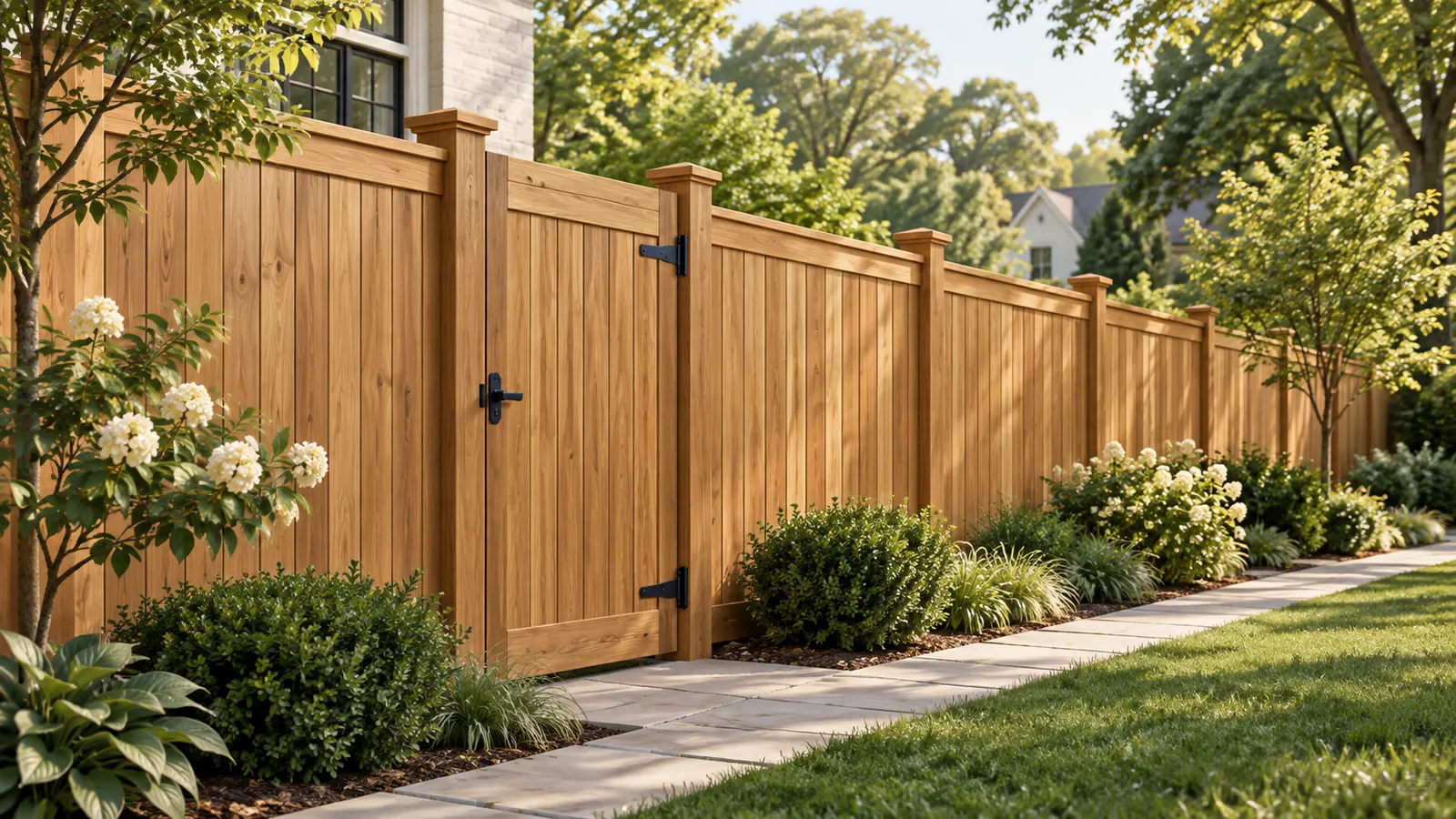
Baltimore County zoning governs every fence in Catonsville: 42 inches maximum in a front yard, 6 feet in side and rear yards at the line, and taller only with added setback or an administrative waiver. Inside the Relay county historic district, the Landmarks Preservation Commission must also approve the fence. Old Catonsville's National Register listing does not add that step, though the streetscape there rewards a fence that fits the period.
Planning locally
What to know before building a fence in Catonsville
- County height limits and the waiver process
- Baltimore County's fence waiver packet lays out the residential limits: 42 inches in a front yard, 6 feet in side and rear yards at the property line, and up to 10 feet with 2 feet of setback for each foot above 6. The county also offers an administrative height waiver for situations that do not fit. These are county-wide rules; we confirm which yard is the front yard on corner and through lots, which is a frequent question on Catonsville's grid streets. Source: Baltimore County, Fence height waiver packet
- Fence permit application
- The county has a dedicated fence permit application. We could not verify from county text whether a fence at or below the standard heights requires it, so we confirm with the Department of Permits, Approvals and Inspections for your address and submit the application when one is needed. Source: Baltimore County, Fence permit
- Certificate of Appropriateness in Relay
- Any exterior or site change inside a Baltimore County historic district, fences included, needs a Certificate of Appropriateness from the Landmarks Preservation Commission before a permit is issued. Relay is a county district; Old Catonsville and Summit Park are National Register districts without that review. We check the county map for your address. Source: Baltimore County, Historic review (Certificates of Appropriateness)
- Mature roots and old survey markers
- On lots from the 1950s and earlier, property pins are often buried or missing and large roots cross the line. We recommend confirming the line with your survey or a surveyor before we dig, and we route posts around roots rather than cutting them.
Requirements vary by property and change over time. We confirm the current rules for your address as part of every estimate rather than assuming.
Design and materials
Fences that suit Catonsville homes
What Roso builds
- Wood privacy fence
- Picket and decorative wood
- Vinyl privacy and picket
- Aluminum ornamental
- Gates and hardware
- Fence removal and replacement
- Picket fences at 42 inches for the Frederick Road streetscape
- Front yards in the Victorian and Craftsman core suit a low wood or vinyl picket fence, and the county's 42-inch front-yard limit happens to match the traditional picket height. Spacing the pickets so the fence reads as open rather than solid keeps the porch visible from the street, which is the whole point on these houses.
- Six-foot privacy where the mid-century yards meet
- In the 1950s and 1960s neighborhoods, rear yards share a line and a 6-foot board-on-board fence in pressure-treated pine or vinyl gives real privacy. Board-on-board hides the shrinkage gaps that open in a single-layer fence, which matters on shaded Catonsville lots where wood stays damp and moves more.
- Let the fence step around the trees
- We adjust post spacing to miss major roots, hand-dig within a few feet of a trunk, and where a tree sits on the line itself we stop the fence short and restart on the other side with a short return. Augering through a large root to hold a perfect line damages the tree and often loosens the post anyway.
Scope and estimate
What shapes a fence estimate
We price after a site visit, not from a form. These are the factors your written estimate will itemize.
Linear footage
Fence is priced largely by the foot, so longer runs cost more but usually less per foot.
Material and style
Pressure-treated privacy is typically the most economical; cedar, vinyl, and aluminum cost more per foot.
Height
Taller fences use longer posts and more material and may require a permit or variance.
Gates
Each walk or drive gate adds hardware and labor. Wide drive gates need heavier posts.
Terrain and obstacles
Slopes, rock, roots, tight access, and existing fence removal all add time.
Corners and ends
Complex layouts with many corners need more posts and cuts than a simple rectangle.
How it works
From estimate to finished fence
Step 1: Estimate request
Tell us the purpose of the fence, rough footage if you know it, and your ZIP code.
Step 2: Site walk and layout
We locate the property line with you, measure runs, note grade changes and obstacles, and discuss style and gate locations.
Step 3: Written estimate
Footage, style, height, gates, and any removal itemized so you can compare options.
Step 4: Permits, HOA, and utility marking
We confirm whether your county requires a permit at your height, help with HOA submittals, and have utilities marked before digging.
Step 5: Installation and walkthrough
Posts, rails, panels, and gates installed, debris removed, and a final walkthrough with you.
FAQs
Fences in Catonsville: your questions
Answers specific to fence projects in Catonsville. General fences questions are covered on our main fences page.
Baltimore County has a fence permit application, and the county is the only permitting authority because Catonsville is unincorporated. Whether a fence at or below the zoning heights requires the permit is not something we could confirm from county text, so we check with the Department of Permits, Approvals and Inspections for your address and file if needed. In the Relay historic district, historic approval comes first.
Forty-two inches under Baltimore County zoning, which applies county-wide. Side and rear yards allow 6 feet at the property line. On corner lots, the yard facing the second street may also count as a front yard, so we confirm the zoning definitions for your lot before recommending heights for each side.
Not through Baltimore County. Old Catonsville is a National Register district, and that listing alone does not require county historic review. County review applies in county-designated districts, which near Catonsville means Relay. If your address is in Relay, the Landmarks Preservation Commission must approve the fence before installation.
We shift posts to miss major roots, hand-dig near trunks instead of using an auger, and where a trunk sits right on the line we end the fence with a short return and resume on the other side. It is far better to have one irregular post spacing than a dying oak next to your new fence.
Start with your survey plat, if you have one, and look for the iron pins at the corners. On older Catonsville lots the pins are often buried or gone, so we recommend a surveyor confirm the line before we dig, especially if the fence will sit right at it. Building a few inches inside the line is the safe default.
Vinyl stays cleaner under tree cover because it does not absorb moisture, and a rinse removes the green film that shade produces. Pressure-treated wood costs less and looks right on older houses, but on a shaded Catonsville lot plan to clean and seal it more often than you would in full sun. Cedar resists rot better than pine if you want wood.
Free estimate
Request a free fence estimate in Catonsville
Tell us about your Catonsville project. We'll follow up to schedule a site visit and send a written estimate.
What happens next
- Tell us about your project. Send the estimate form or call. Share your project type, ZIP code, and what you have in mind so we can prepare for the conversation.
- Site visit and measurements. We walk the property with you, measure, check grade and access, and talk through layout, materials, and anything that affects cost.
- Written estimate. You receive a written estimate that spells out scope, materials, and price so you can compare options and ask questions before deciding.
- No cost, no obligation
- Your details are used only to discuss your project
Prefer to talk? (410) 871-8175
More in and around Catonsville
Other services in Catonsville
Ready to plan your Catonsville fence?
Send a few details and we'll follow up to schedule a site visit and prepare a written estimate. No cost, no obligation.