
Hamilton-Lauraville, Baltimore City, MD
Fences for Hamilton and Lauraville Yards, Alleys, and Side Lots
Fence work in Hamilton and Lauraville looks more like the county than the rest of the city: detached and semi-detached houses on lots with side yards, rear alleys, and often a driveway, so a typical project is a six-foot privacy run along the rear and sides with a lower picket or ornamental fence toward the street. Roso installs wood, vinyl, and aluminum fences here, with posts set in concrete below frost depth in the clay and fill common to these older lots.
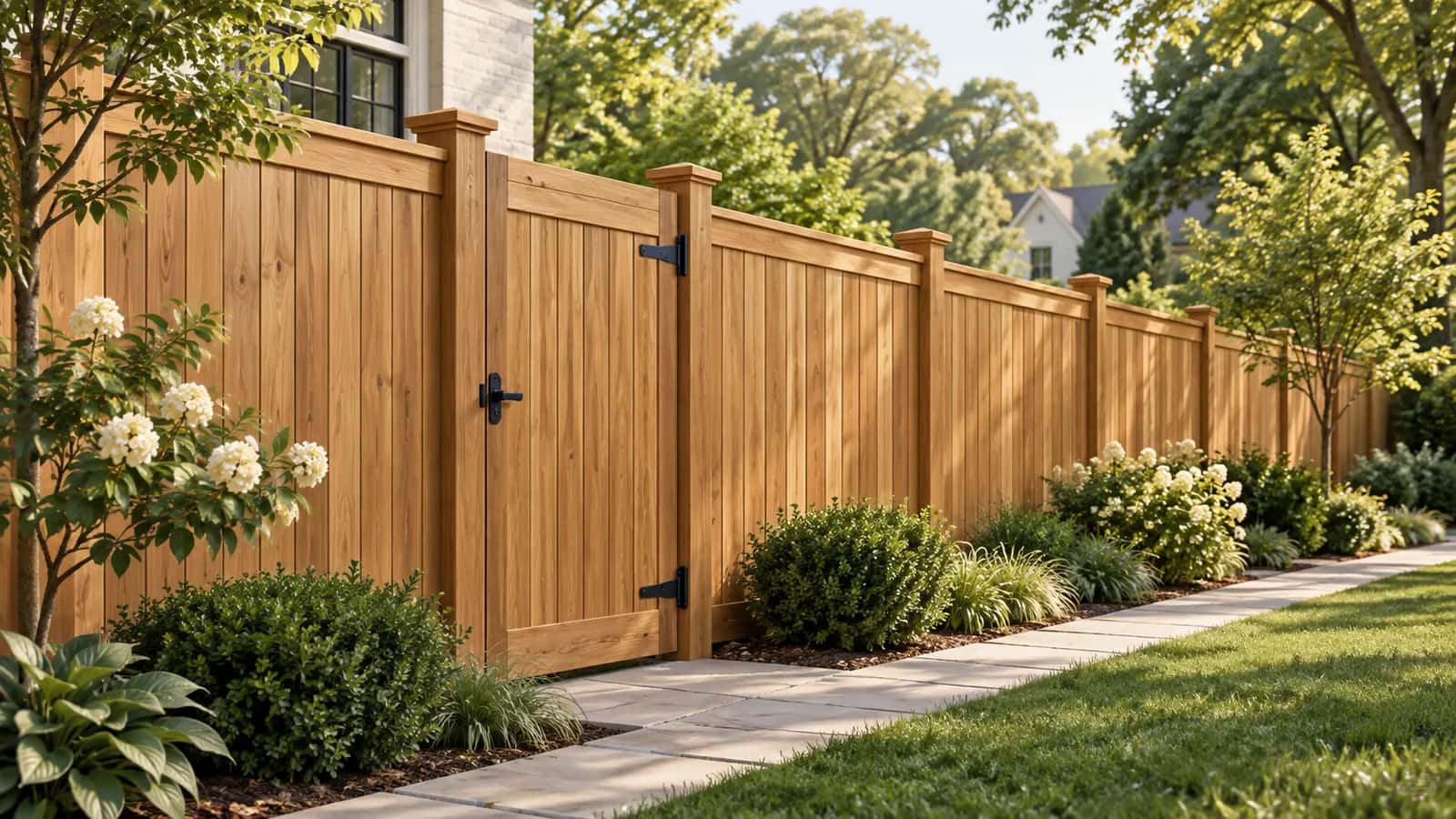
Baltimore City requires a permit for a fence, and its building code caps a front-yard fence at 42 inches while allowing up to six feet along side and rear lines. Neither neighborhood is a CHAP local historic district, so the permit is normally the only approval. Because many Lauraville lots are double-width with garages on the alley, we lay out gates and driveway openings before we quote.
Planning locally
What to know before building a fence in Hamilton-Lauraville
- City fence heights: 42 inches front, 6 feet side and rear
- Baltimore City Building Code §3118 limits fences in a front yard to 42 inches and permits fences up to 6 feet in side and rear yards. Corner lots have two front yards for this purpose, and fences on retaining walls are measured and reviewed case by case. We design to these limits and apply for the DHCD permit. Source: Baltimore City Building Code §3118, fences
- Permit required for fences
- The city's Permit Handbook lists fences among the work that needs a permit, issued through ePermits. A survey or plat is the best way to place posts on your side of the line; where none exists we recommend one before a long shared-line run. Source: Baltimore City Permit Handbook (work that requires a permit)
- Alley frontage and sight lines
- Most Hamilton and Lauraville lots back to a public alley. A fence along the alley sits on private property, not in the right-of-way, and gates should swing inward so they do not block the alley. Where a driveway meets the alley or street, we keep the fence low or set back near the opening so drivers can see. Source: Baltimore City DOT, right-of-way permits
Requirements vary by property and change over time. We confirm the current rules for your address as part of every estimate rather than assuming.
Design and materials
Fences that suit Hamilton-Lauraville homes
What Roso builds
- Wood privacy fence
- Picket and decorative wood
- Vinyl privacy and picket
- Aluminum ornamental
- Gates and hardware
- Fence removal and replacement
- Picket in front, privacy behind
- A 36- to 42-inch wood or aluminum picket fence suits the porch-front streetscape and stays within the front-yard limit. Behind the house, a six-foot board-on-board or shadowbox fence gives privacy without the solid, blank look of stockade.
- Plan around mature trees and old roots
- Lauraville's century-old street trees and yard trees have roots that run under fence lines. We shift post spacing to avoid major roots, and where a trunk is on the line we stop the fence short and use a short return rather than cutting roots.
Scope and estimate
What shapes a fence estimate
We price after a site visit, not from a form. These are the factors your written estimate will itemize.
Linear footage
Fence is priced largely by the foot, so longer runs cost more but usually less per foot.
Material and style
Pressure-treated privacy is typically the most economical; cedar, vinyl, and aluminum cost more per foot.
Height
Taller fences use longer posts and more material and may require a permit or variance.
Gates
Each walk or drive gate adds hardware and labor. Wide drive gates need heavier posts.
Terrain and obstacles
Slopes, rock, roots, tight access, and existing fence removal all add time.
Corners and ends
Complex layouts with many corners need more posts and cuts than a simple rectangle.
How it works
From estimate to finished fence
Step 1: Estimate request
Tell us the purpose of the fence, rough footage if you know it, and your ZIP code.
Step 2: Site walk and layout
We locate the property line with you, measure runs, note grade changes and obstacles, and discuss style and gate locations.
Step 3: Written estimate
Footage, style, height, gates, and any removal itemized so you can compare options.
Step 4: Permits, HOA, and utility marking
We confirm whether your county requires a permit at your height, help with HOA submittals, and have utilities marked before digging.
Step 5: Installation and walkthrough
Posts, rails, panels, and gates installed, debris removed, and a final walkthrough with you.
FAQs
Fences in Hamilton-Lauraville: your questions
Answers specific to fence projects in Hamilton-Lauraville. General fences questions are covered on our main fences page.
Yes. The city's Permit Handbook lists fences among the work that requires a permit, issued by DHCD through ePermits. The building code limits a front-yard fence to 42 inches and allows up to 6 feet in side and rear yards; corner lots and fences on top of retaining walls are reviewed case by case. Roso applies for the permit and builds to the approved height and location.
Along the side yard behind the front building line, yes, up to 6 feet under the city code. In the front yard, meaning the area between the house and the street, the limit is 42 inches. On a corner lot both street sides count as front yards, so the six-foot section starts farther back. We mark the transition on the drawing that goes with the permit.
Whoever built it, unless the deed says otherwise. For a new fence we set posts fully on your side of the surveyed line so ownership is clear, and we recommend telling the neighbor in advance. Semi-detached pairs in Hamilton often share a rear yard line only a few feet from the house, so gate placement and post locations matter more than on a wide lot.
The city treats fence installation as permitted work, and a full replacement is installation. Repairing a few boards or a post is maintenance. When the old fence is taller than the current limit or sits partly in the alley or on the neighbor's side, a replacement is the time to correct it, and the permit review will expect the new fence to comply.
Vinyl and aluminum shrug off shade and leaf litter and never need staining. Pressure-treated wood is the economical choice but will need cleaning and sealing every couple of years under a canopy. Cedar resists rot better than pine. For any wood fence we keep the bottom rail a couple of inches off the soil so it does not wick moisture.
Free estimate
Request a free fence estimate in Hamilton-Lauraville
Tell us about your Hamilton-Lauraville project. We'll follow up to schedule a site visit and send a written estimate.
What happens next
- Tell us about your project. Send the estimate form or call. Share your project type, ZIP code, and what you have in mind so we can prepare for the conversation.
- Site visit and measurements. We walk the property with you, measure, check grade and access, and talk through layout, materials, and anything that affects cost.
- Written estimate. You receive a written estimate that spells out scope, materials, and price so you can compare options and ask questions before deciding.
- No cost, no obligation
- Your details are used only to discuss your project
Prefer to talk? (410) 871-8175
More in and around Hamilton-Lauraville
Other services in Hamilton-Lauraville
Ready to plan your Hamilton-Lauraville fence?
Send a few details and we'll follow up to schedule a site visit and prepare a written estimate. No cost, no obligation.